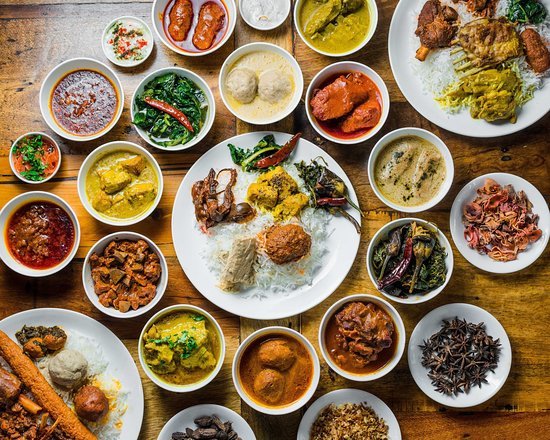
Kashmiri Wazwan is a culinary delight that takes you on a journey of 36 exquisite dishes, forming an integral part of Kashmiri culture and celebrations. The term 'waz' means 'cook' in Kashmiri, and 'wan' refers to 'shop.' Before knowing about it, it's important to know it's history.
Centuries ago, Kashmir was a hub on the Silk Route, connecting Asia to the Mediterranean. The region was introduced to Persian and Russian flavors as silk merchants traversed its landscapes. In 1398, during Taimoor's invasion, skilled cooks from Samarkand (Uzbekistan) arrived, blending Persian, Turkish, and Afghan techniques to shape the unique Kashmiri cuisine we know today.
Wazwan exclusively features sheep's meat, with an emphasis on using meat from sheep aged between 12 to 18 months. The freshly slaughtered meat is utilized within an hour. The cooking process involves a fire fueled by tree woods, and even the hammer used to tenderize the meat is made from walnut tree wood.
Out of 36 dishes served, mostly are Non-Veg, cooked with full passion and enthusiasm under the head chef, vaste waza. The Wazwan experience begins with guests washing their hands in a portable basin known as Tash-t-naer. Guests are seated in groups of four and share the meal out of a large copper platter called the traem (plates). The traem filled with rice, seekh kababs, methi maaz, tabakh maaz, safed kokur, zafran kokur, and more. Yogurt and chutney are served separately. The meal begins with invoking the name of God. The meal unfolds with up to 20 additional dishes, skillfully presented by the waza, the junior cook. The main course usually ends with gushtaba. When Gushtaba is served, it's like an indication that the feast is ended and now sweet dish would be served.
There are 7 must have dishes in wazwan - tabakh maaz, rista (meatballs in a red, paprika-saffron-fennel spice gravy colored with dyer’s alkanet), rogan josh, daniwal korma (lamb roasted with yoghurt, spices and onion puree, topped with coriander leaves), aab gosh (lamb chunks cooked with a fennel-based spice mixture, cardamom and partially evaporated milk), marchhwangan korma (chicken legs/thighs cooked in a spicy browned-onion sauce) and gushtaba (meatballs cooked in a spicy yoghurt gravy).
CONCLUSION
Beyond its renowned natural beauty and rich culture, Kashmir is also home to the culinary masterpiece of Wazwan. This 36-course feast not only satiates the palate but is an integral part of the valley's culture, adding a flavorful chapter to Kashmir's identity.